
Endometriosis: Symptoms, Diagnosis & Treatment
What is an Ovarian Cyst?
An ovarian cyst is a fluid-filled sac that develops in or on the ovary. While they are common and often harmless, some cysts can cause discomfort or complications. If you’ve been told you have an ovarian cyst, understanding what it means can help you make informed decisions about your health.
Types of Ovarian Cysts
There are different types of ovarian cysts, including:
- Simple Cysts: Usually fluid-filled and the most common type before menopause.
- Endometriomas: Caused by endometriosis, these cysts contain old blood.
- Dermoid Cysts: Formed from reproductive cells, they may contain hair, fat, or even teeth.
- Complex Cysts: These may contain both fluid and solid components and require closer monitoring.
Most ovarian cysts are benign (non-cancerous), and ovarian cancer is rare in premenopausal women.
How Common Are Ovarian Cysts?
Ovarian cysts are quite common, and most women will develop one at some point. Many cysts disappear on their own without causing symptoms, but about 1 in 10 women may need surgery at some stage.
Symptoms of an Ovarian Cyst
Many ovarian cysts go unnoticed, but some may cause:
- Pelvic pain or discomfort
- Bloating or swelling in the abdomen
- Pain during sex
- Changes in menstrual cycles
- A frequent urge to urinate
- Difficulty conceiving (in some cases, especially if related to endometriosis)
How Are Ovarian Cysts Diagnosed?
If your doctor suspects an ovarian cyst, they may recommend:
- Pelvic Examination: To check for swelling or tenderness.
- Ultrasound Scan: To determine the size, shape, and type of cyst.
- Blood Tests: In certain cases, to rule out potential concerns like ovarian cancer.
Treatment Options for Ovarian Cysts
Watchful Waiting
- Small, simple cysts often disappear on their own within a few months.
- A follow-up ultrasound may be scheduled to monitor changes.
Medication
- Birth control pills may help regulate hormones and prevent new cysts from forming but won’t shrink existing cysts.
Surgery
If a cyst is large, growing, or causing severe symptoms, surgery may be recommended:
- Laparoscopy (Keyhole Surgery): A minimally invasive option for removing cysts.
- Laparotomy (Open Surgery): Used for larger or more complex cysts.
- Ovary Removal: In rare cases, the affected ovary may need to be removed.
What If You’re Pregnant and Have a Cyst?
- Many ovarian cysts found during pregnancy are harmless and resolve on their own.
- Large or complex cysts may require monitoring or surgery if they pose risks.
Can Ovarian Cysts Be Prevented?
While you can’t entirely prevent ovarian cysts, you can lower your risk by:
- Having regular pelvic exams.
- Managing underlying conditions like endometriosis.
- Using hormonal birth control if recommended by your doctor.
Final Thoughts
Most ovarian cysts are harmless and resolve without treatment. However, if you experience persistent pain, unusual bloating, or changes in your menstrual cycle, consult your healthcare provider. Early diagnosis and proper monitoring ensure the best outcomes.
This blog is intended for educational purposes only. All content here is general in nature and does not take into account your personal circumstances. Please consult with your healthcare professional to ensure you get the right diagnosis and treatment.

Staying Active During Pregnancy: Safe Exercises & Benefits
Why is Physical Activity Important During Pregnancy?
Staying active during pregnancy has numerous benefits for both you and your baby. Regular physical activity can help improve your mood, reduce pregnancy discomfort, and even make labor easier. The key is choosing safe exercises that support your changing body.
Benefits of Exercise During Pregnancy
Exercising while pregnant can:
- Reduce back pain and swelling
- Improve posture and circulation
- Boost mood and energy levels
- Help with better sleep
- Lower the risk of gestational diabetes and high blood pressure
- Strengthen muscles for labor and delivery
Safe Exercises for Pregnant Women
Walking
- Low-impact and easy to do
- Helps maintain cardiovascular health
- Can be done throughout pregnancy
Swimming & Water Workouts
- Gentle on joints and muscles
- Reduces swelling and improves circulation
- Great for full-body movement
Prenatal Yoga & Stretching
- Improves flexibility and relaxation
- Helps with breathing techniques for labor
- Reduces stress and tension
Strength Training & Pilates
- Focus on light weights and controlled movements
- Strengthens core and pelvic floor muscles
- Improves stability and posture
Exercises to Avoid
While staying active is encouraged, some activities can be risky during pregnancy:
- Contact sports (e.g., basketball, soccer, boxing)
- High-impact workouts with sudden movements
- Heavy weightlifting
- Exercises that require lying flat on your back after the first trimester
- Activities with a high risk of falling (e.g., skiing, horseback riding)
Tips for Safe Exercise During Pregnancy
- Always warm up and cool down.
- Stay hydrated and avoid overheating.
- Wear supportive shoes and clothing.
- Listen to your body—stop if you feel dizzy, lightheaded, or in pain.
- If unsure, consult your doctor before starting a new workout routine.
Can You Start Exercising During Pregnancy?
Yes! If you weren’t active before pregnancy, start slowly with light exercises like walking and stretching. If you were already exercising, you can continue with modifications as needed.
Final Thoughts
Exercise is one of the best ways to support a healthy pregnancy. Finding a routine that feels good for your body can make a huge difference in your overall well-being. Stay active, stay safe, and enjoy the journey to motherhood!
This blog is intended for educational purposes only. All content here is general in nature and does not take into account your personal circumstances. Please consult with your healthcare professional to ensure you get the right diagnosis and treatment.

Ovarian Cysts Before Menopause: What You Need to Know
What is an Ovarian Cyst?
An ovarian cyst is a fluid-filled sac that develops in or on the ovary. While they are common and often harmless, some cysts can cause discomfort or complications. If you’ve been told you have an ovarian cyst, understanding what it means can help you make informed decisions about your health.
Types of Ovarian Cysts
There are different types of ovarian cysts, including:
- Simple Cysts: Usually fluid-filled and the most common type before menopause.
- Endometriomas: Caused by endometriosis, these cysts contain old blood.
- Dermoid Cysts: Formed from reproductive cells, they may contain hair, fat, or even teeth.
- Complex Cysts: These may contain both fluid and solid components and require closer monitoring.
Most ovarian cysts are benign (non-cancerous), and ovarian cancer is rare in premenopausal women.
How Common Are Ovarian Cysts?
Ovarian cysts are quite common, and most women will develop one at some point. Many cysts disappear on their own without causing symptoms, but about 1 in 10 women may need surgery at some stage.
Symptoms of an Ovarian Cyst
Many ovarian cysts go unnoticed, but some may cause:
- Pelvic pain or discomfort
- Bloating or swelling in the abdomen
- Pain during sex
- Changes in menstrual cycles
- A frequent urge to urinate
- Difficulty conceiving (in some cases, especially if related to endometriosis)
How Are Ovarian Cysts Diagnosed?
If your doctor suspects an ovarian cyst, they may recommend:
- Pelvic Examination: To check for swelling or tenderness.
- Ultrasound Scan: To determine the size, shape, and type of cyst.
- Blood Tests: In certain cases, to rule out potential concerns like ovarian cancer.
Treatment Options for Ovarian Cysts
Watchful Waiting
- Small, simple cysts often disappear on their own within a few months.
- A follow-up ultrasound may be scheduled to monitor changes.
Medication
- Birth control pills may help regulate hormones and prevent new cysts from forming but won’t shrink existing cysts.
Surgery
If a cyst is large, growing, or causing severe symptoms, surgery may be recommended:
- Laparoscopy (Keyhole Surgery): A minimally invasive option for removing cysts.
- Laparotomy (Open Surgery): Used for larger or more complex cysts.
- Ovary Removal: In rare cases, the affected ovary may need to be removed.
What If You’re Pregnant and Have a Cyst?
- Many ovarian cysts found during pregnancy are harmless and resolve on their own.
- Large or complex cysts may require monitoring or surgery if they pose risks.
Can Ovarian Cysts Be Prevented?
While you can’t entirely prevent ovarian cysts, you can lower your risk by:
- Having regular pelvic exams.
- Managing underlying conditions like endometriosis.
- Using hormonal birth control if recommended by your doctor.
Final Thoughts
Most ovarian cysts are harmless and resolve without treatment. However, if you experience persistent pain, unusual bloating, or changes in your menstrual cycle, consult your healthcare provider. Early diagnosis and proper monitoring ensure the best outcomes.
This blog is intended for educational purposes only. All content here is general in nature and does not take into account your personal circumstances. Please consult with your healthcare professional to ensure you get the right diagnosis and treatment.

When Your Baby is Measuring Small: What It Means and What to Expect
Learning that your baby is measuring smaller than expected for their gestational age can be unsettling. While many small babies are perfectly healthy, their size can sometimes signal underlying health concerns. Understanding the reasons behind this and knowing what steps to take can help ease your worries and guide you through the rest of your pregnancy.
How Is a Small Baby Identified?
A baby is considered small if their estimated weight falls below the 10th percentile on a growth chart. Healthcare providers typically determine this through:
- Ultrasound scans to measure the baby’s size
- Fundal height measurements taken during prenatal visits
- Doppler ultrasound tests to assess blood flow to the baby
These tools help your doctor or midwife track your baby’s growth and identify any potential issues early on.
What Causes a Baby to Be Small?
There are several reasons why a baby might measure smaller than average:
- Genetics: Some babies are naturally smaller due to family traits.
- Placental Issues: If the placenta isn’t functioning properly, it may not deliver enough nutrients to support growth.
- Maternal Health Conditions: Conditions like high blood pressure, diabetes, or kidney disease can affect fetal development.
- Infections: Certain infections during pregnancy can interfere with the baby’s growth.
- Lifestyle Factors: Smoking, drug use, or excessive caffeine intake can contribute to restricted growth.
Understanding the cause can help your healthcare team tailor their approach to your specific situation.
What Does a Small Baby Mean for Their Health?
While many small babies are born healthy and catch up in size after birth, there are some potential risks to be aware of:
- Increased likelihood of stillbirth or premature birth (before 37 weeks)
- Low birth weight, which may require neonatal care
- Higher chances of complications like breathing difficulties or low blood sugar after delivery
Regular monitoring and early intervention can help manage these risks effectively.
How Is a Small Baby Monitored During Pregnancy?
If your baby is measuring small, your healthcare provider will likely recommend additional monitoring, such as:
- More frequent ultrasounds to track growth progress
- Doppler scans to check blood flow to the placenta
- Non-stress tests to monitor the baby’s heart rate and movements
- Blood pressure and urine tests to screen for conditions like pre-eclampsia
These steps help ensure your baby is developing as expected and allow for timely interventions if needed.
Can You Do Anything to Help Your Baby Grow?
While some factors are beyond your control, there are steps you can take to support your baby’s growth:
- Focus on a balanced diet rich in protein, healthy fats, and whole grains.
- Avoid smoking, alcohol, and recreational drugs, as they can restrict fetal growth.
- Limit caffeine intake to less than 200mg per day.
- Prioritize rest and stress management to create a healthier environment for your baby.
Small changes can make a big difference in supporting your baby’s development.
When Is the Best Time to Deliver a Small Baby?
The timing of delivery depends on your baby’s growth and overall health:
- If growth is steady and there are no complications, delivery may occur close to your due date.
- If growth slows significantly or health risks arise, early delivery (around 37 weeks) might be recommended.
- In severe cases, delivery may need to happen even earlier to protect both you and your baby.
Your healthcare team will carefully weigh the risks and benefits to determine the best course of action.
What Happens After Birth?
Some small babies may need extra care in a neonatal unit after birth. Doctors will monitor for issues like breathing difficulties, low blood sugar, or feeding challenges. Fortunately, with proper care and nutrition, most small babies catch up in size and development within their first few years.
What About Future Pregnancies?
If you’ve had a small baby in a previous pregnancy, the likelihood of it happening again may be higher. However, maintaining a healthy lifestyle, managing any underlying health conditions, and seeking early prenatal care can help reduce risks in future pregnancies.
A Reassuring Perspective
While hearing that your baby is small can be concerning, it’s important to remember that many small babies are born healthy and thrive after birth. With close monitoring, good prenatal care, and a focus on your own health, you can give your baby the best possible start.
This blog is intended for educational purposes only. All content here is general in nature and does not take into account your personal circumstances. Please consult with your healthcare professional to ensure you get the right diagnosis and treatment.
Understanding Gestational Diabetes: What It Means for You and Your Baby
What is Gestational Diabetes?
Gestational diabetes is a type of diabetes that develops during pregnancy. It occurs when your body can’t produce enough insulin to regulate blood sugar levels effectively. This condition typically arises in the second half of pregnancy and usually disappears after giving birth. However, managing it properly is essential to avoid complications for both you and your baby.
Who is at Risk?
Anyone can develop gestational diabetes, but certain factors increase your risk, including:
- A BMI over 30
- A family history of diabetes
- Having had gestational diabetes in a previous pregnancy
- Giving birth to a baby weighing over 4.5 kg (10 lbs) before
- Being of South Asian, Chinese, African-Caribbean, or Middle Eastern descent
How is Gestational Diabetes Diagnosed?
If you have risk factors, your doctor will recommend a glucose test:
- Glucose Tolerance Test (GTT): You’ll fast overnight, then have a blood test followed by drinking a sugary drink. Another blood test is done 1–2 hours later to check how your body processes sugar.
- Routine Urine Tests: If sugar is detected in your urine during prenatal check-ups, further testing may be recommended.
What Does Gestational Diabetes Mean for You and Your Baby?
Most women with gestational diabetes have healthy pregnancies. However, if left uncontrolled, it can lead to:
- For You: Increased risk of high blood pressure, needing a C-section, or developing type 2 diabetes later in life.
- For Your Baby: Higher birth weight (which can complicate delivery), premature birth, low blood sugar at birth, or an increased risk of obesity and diabetes in the future.
Managing Gestational Diabetes
Diet and Lifestyle Changes
- Eating balanced meals with slow-releasing carbohydrates (like whole grains and vegetables)
- Avoiding sugary foods and drinks
- Regular physical activity, such as walking for 30 minutes daily
- Maintaining a healthy weight gain during pregnancy
Blood Sugar Monitoring and Medication
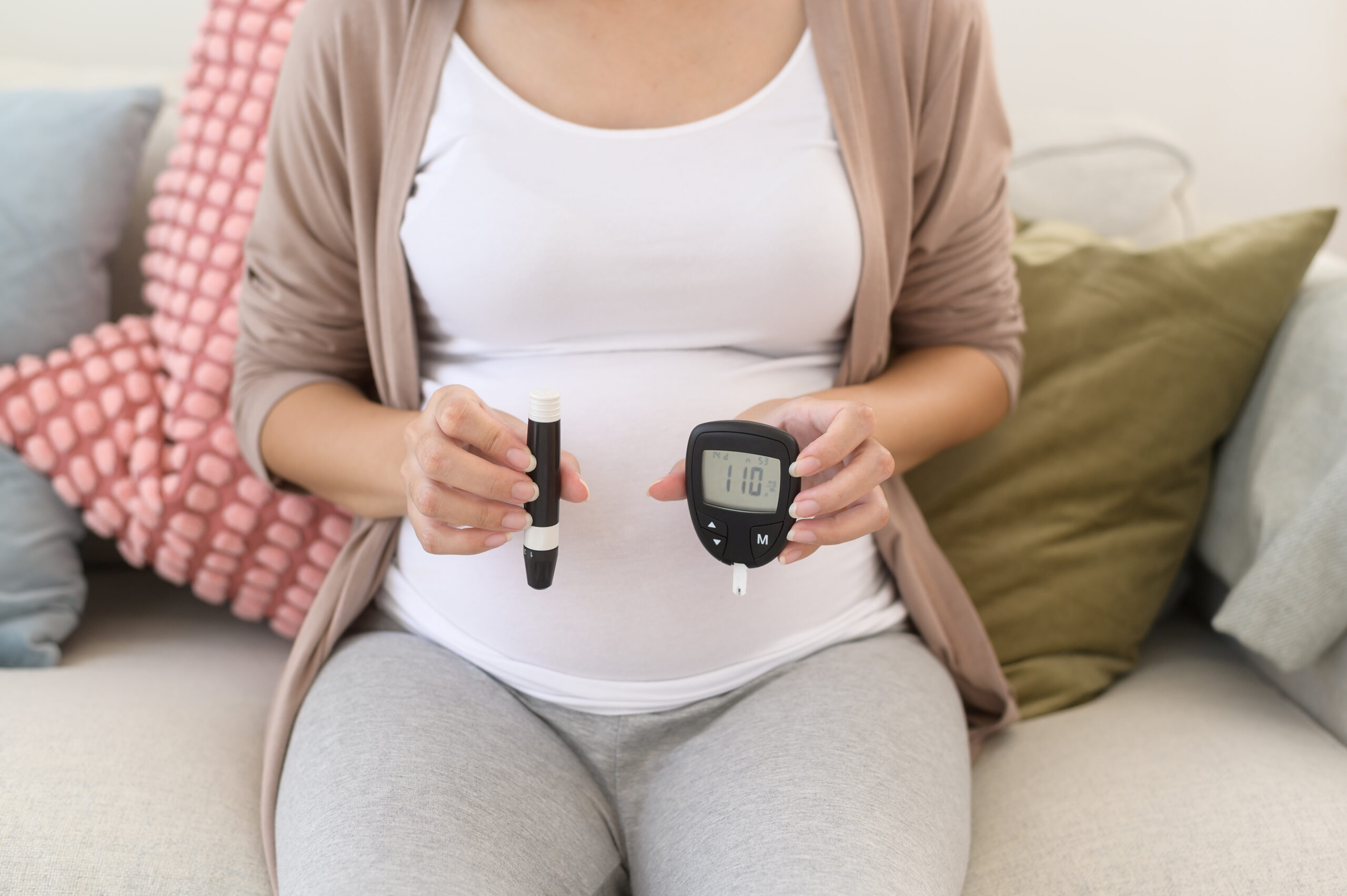
- You’ll be taught how to check your blood sugar levels regularly.
- If diet and exercise don’t control your blood sugar, medication or insulin injections may be recommended.
Preparing for Birth
If you have gestational diabetes, your doctor may recommend giving birth before 41 weeks. If your baby is measuring large or there are other complications, an induction or C-section might be suggested. During labor, your blood sugar will be monitored to ensure a smooth delivery.
What Happens After Birth?
- Your baby’s blood sugar will be tested to ensure it’s stable.
- Gestational diabetes usually resolves after delivery, but you’ll need a follow-up test 6–13 weeks postpartum.
- Up to 50% of women who have had gestational diabetes develop type 2 diabetes later, so regular check-ups and a healthy lifestyle are essential.
Looking Ahead: Future Pregnancies
If you’ve had gestational diabetes once, there’s a higher chance of developing it in future pregnancies. Staying active, eating well, and maintaining a healthy weight before pregnancy can help lower your risk.
Final Thoughts
Gestational diabetes can feel overwhelming, but with the right care, you can have a healthy pregnancy and baby. By making mindful choices now, you can also protect your long-term health.
This blog is intended for educational purposes only. All content here is general in nature and does not take into account your personal circumstances. Please consult with your healthcare professional to ensure you get the right diagnosis and treatment.
Ectopic Pregnancy: Understanding the Signs, Risks, and What Comes Next
Pregnancy is often an exciting journey, but sometimes, things don’t go as expected. An ectopic pregnancy occurs when a fertilized egg implants outside the uterus—most commonly in the fallopian tube. Unfortunately, this type of pregnancy cannot progress normally and can pose serious health risks. If left untreated, it may lead to life-threatening complications. Let’s break down what you need to know.
What is an Ectopic Pregnancy?
In a healthy pregnancy, the fertilized egg moves from the fallopian tube to the uterus, where it implants and grows. But in an ectopic pregnancy, the egg implants elsewhere—usually in the fallopian tube, though it can also occur in the ovary, cervix, or even the abdominal cavity. Because these areas aren’t designed to support a growing pregnancy, the embryo cannot survive, and the condition requires medical attention.
Signs and Symptoms
Ectopic pregnancies often present symptoms around the sixth week of pregnancy—about two weeks after a missed period. Some key warning signs include:
- Sharp or stabbing pain on one side of the lower abdomen
- Unusual vaginal bleeding or spotting
- Shoulder tip pain (a sign of internal bleeding)
- Dizziness, fainting, or weakness
- Digestive issues like diarrhea
If you experience any of these symptoms and could be pregnant, seek medical care immediately. Early diagnosis can be life-saving and improve future fertility chances.
Who’s at Risk?
Ectopic pregnancy can happen to anyone, but certain factors increase the risk, such as:
- A previous ectopic pregnancy
- Damage to the fallopian tubes from infections or surgeries
- Conceiving while using an intrauterine device (IUD)
- Undergoing fertility treatments like IVF
- Smoking
How is it Diagnosed?
Doctors use a combination of tests to diagnose an ectopic pregnancy, including:
- Pregnancy test: A positive test confirms pregnancy but doesn’t reveal its location.
- Transvaginal ultrasound: This helps determine whether the pregnancy is inside the uterus.
- Blood tests: Measuring hCG (pregnancy hormone) levels over time can indicate if something is abnormal.
- Laparoscopy: In some cases, a small surgical procedure is needed for a definite diagnosis.
Treatment Options
Since an ectopic pregnancy cannot be saved, treatment focuses on preserving health and fertility. Options include:
- Watchful Waiting: If the pregnancy is very early and not causing severe symptoms, doctors may monitor hormone levels to see if it resolves on its own.
- Medication: Methotrexate, a drug that stops cell growth, may be used to prevent further development and allow the body to absorb the tissue naturally.
- Surgery: In some cases, laparoscopic surgery is performed to remove the pregnancy. This may involve removing just the embryo or, in more severe cases, the entire affected fallopian tube.
What About Future Pregnancies?
The good news? Many women go on to have healthy pregnancies after experiencing an ectopic one. Even with one fallopian tube, your chances of conceiving are only slightly reduced. However, your risk of another ectopic pregnancy increases to about 7-10%, so doctors may recommend early ultrasounds in future pregnancies to ensure everything is progressing normally.
Emotional and Physical Recovery
Recovering from an ectopic pregnancy takes time—both physically and emotionally. Physical healing typically takes a few weeks, but the emotional toll can last longer. It’s okay to grieve, seek support from loved ones, or consider professional counseling if needed.
You may wonder, “Can ectopic pregnancy be prevented?” While it can’t always be avoided, early detection and proper medical care can help manage risks. By raising awareness and dispelling myths, we can ensure that those affected receive the support and treatment they need.
This blog is intended for educational purposes only. All content here is general in nature and does not take into account your personal circumstances. Please consult with your healthcare professional to ensure you get the right diagnosis and treatment.