
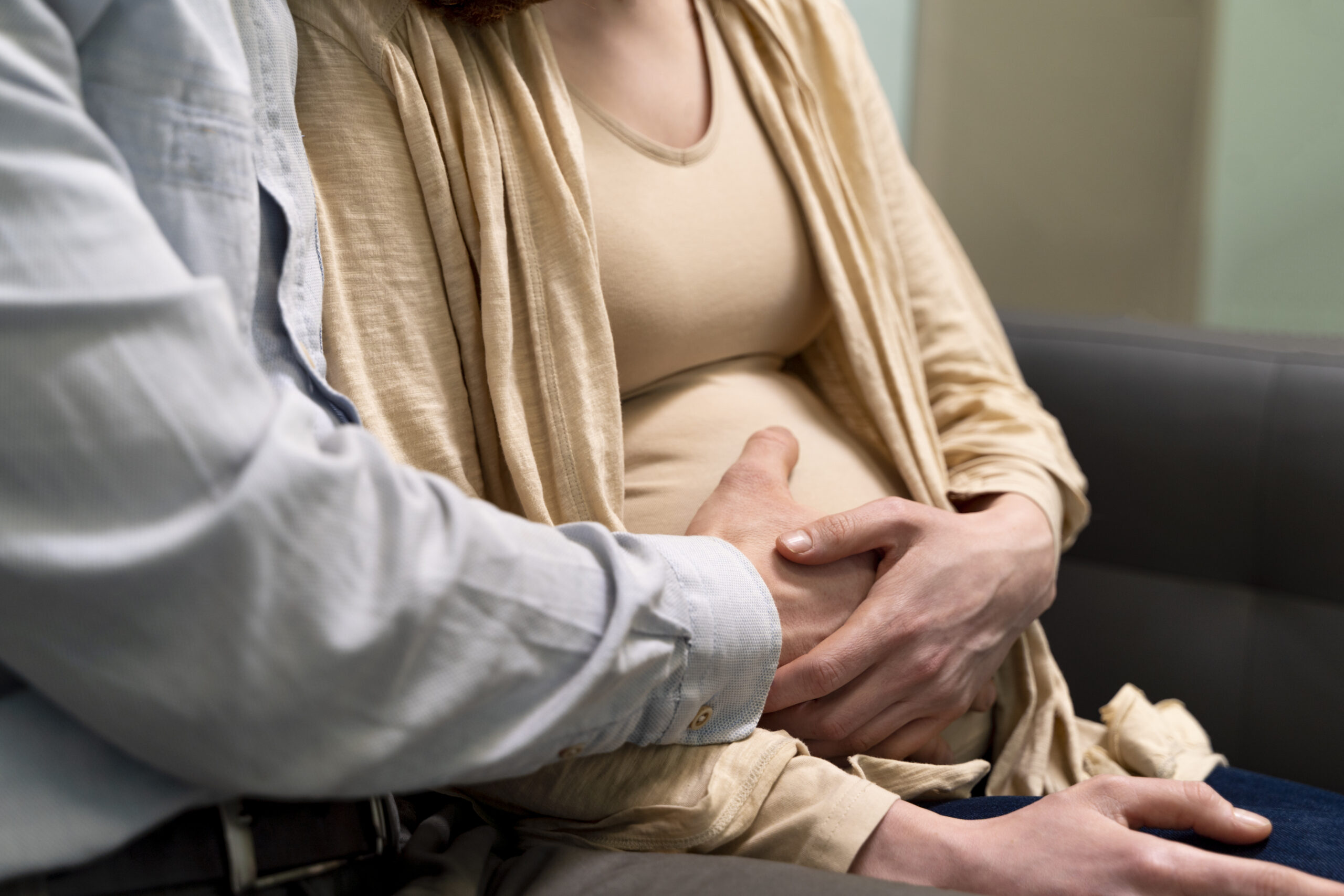
Pregnancy is often an exciting journey, but sometimes, things don’t go as expected. An ectopic pregnancy occurs when a fertilized egg implants outside the uterus—most commonly in the fallopian tube. Unfortunately, this type of pregnancy cannot progress normally and can pose serious health risks. If left untreated, it may lead to life-threatening complications. Let’s break down what you need to know.
What is an Ectopic Pregnancy?
In a healthy pregnancy, the fertilized egg moves from the fallopian tube to the uterus, where it implants and grows. But in an ectopic pregnancy, the egg implants elsewhere—usually in the fallopian tube, though it can also occur in the ovary, cervix, or even the abdominal cavity. Because these areas aren’t designed to support a growing pregnancy, the embryo cannot survive, and the condition requires medical attention.
Signs and Symptoms
Ectopic pregnancies often present symptoms around the sixth week of pregnancy—about two weeks after a missed period. Some key warning signs include:
- Sharp or stabbing pain on one side of the lower abdomen
- Unusual vaginal bleeding or spotting
- Shoulder tip pain (a sign of internal bleeding)
- Dizziness, fainting, or weakness
- Digestive issues like diarrhea
If you experience any of these symptoms and could be pregnant, seek medical care immediately. Early diagnosis can be life-saving and improve future fertility chances.
Who’s at Risk?
Ectopic pregnancy can happen to anyone, but certain factors increase the risk, such as:
- A previous ectopic pregnancy
- Damage to the fallopian tubes from infections or surgeries
- Conceiving while using an intrauterine device (IUD)
- Undergoing fertility treatments like IVF
- Smoking
How is it Diagnosed?
Doctors use a combination of tests to diagnose an ectopic pregnancy, including:
- Pregnancy test: A positive test confirms pregnancy but doesn’t reveal its location.
- Transvaginal ultrasound: This helps determine whether the pregnancy is inside the uterus.
- Blood tests: Measuring hCG (pregnancy hormone) levels over time can indicate if something is abnormal.
- Laparoscopy: In some cases, a small surgical procedure is needed for a definite diagnosis.
Treatment Options
Since an ectopic pregnancy cannot be saved, treatment focuses on preserving health and fertility. Options include:
- Watchful Waiting: If the pregnancy is very early and not causing severe symptoms, doctors may monitor hormone levels to see if it resolves on its own.
- Medication: Methotrexate, a drug that stops cell growth, may be used to prevent further development and allow the body to absorb the tissue naturally.
- Surgery: In some cases, laparoscopic surgery is performed to remove the pregnancy. This may involve removing just the embryo or, in more severe cases, the entire affected fallopian tube.
What About Future Pregnancies?
The good news? Many women go on to have healthy pregnancies after experiencing an ectopic one. Even with one fallopian tube, your chances of conceiving are only slightly reduced. However, your risk of another ectopic pregnancy increases to about 7-10%, so doctors may recommend early ultrasounds in future pregnancies to ensure everything is progressing normally.
Emotional and Physical Recovery
Recovering from an ectopic pregnancy takes time—both physically and emotionally. Physical healing typically takes a few weeks, but the emotional toll can last longer. It’s okay to grieve, seek support from loved ones, or consider professional counseling if needed.
You may wonder, “Can ectopic pregnancy be prevented?” While it can’t always be avoided, early detection and proper medical care can help manage risks. By raising awareness and dispelling myths, we can ensure that those affected receive the support and treatment they need.
This blog is intended for educational purposes only. All content here is general in nature and does not take into account your personal circumstances. Please consult with your healthcare professional to ensure you get the right diagnosis and treatment.